Glaucoma Q&A
Clear, practical answers to common glaucoma questions.
Jump to a question
Tap a question to jump straight to the answer.
- What is glaucoma?
- How did I get glaucoma?
- Can I go blind from glaucoma?
- What symptoms should I watch for?
- How is glaucoma diagnosed?
- What tests will I need?
- What do my eye pressure numbers mean?
- Can glaucoma be cured?
- How is glaucoma treated?
- What are the benefits of using Selective Laser Trabeculoplasty (SLT) laser over drops as a first line therapy?
- How does a trabecular bypass stent work?
- Will I need to use eye drops for life?
- What are the side effects of glaucoma medications?
- How often do I need check-ups?
- Can I still drive with glaucoma?
- Is glaucoma hereditary? Should my family be tested?
- Can lifestyle changes help slow it down?
- What happens if I forget to take my drops?
Q
What is glaucoma?
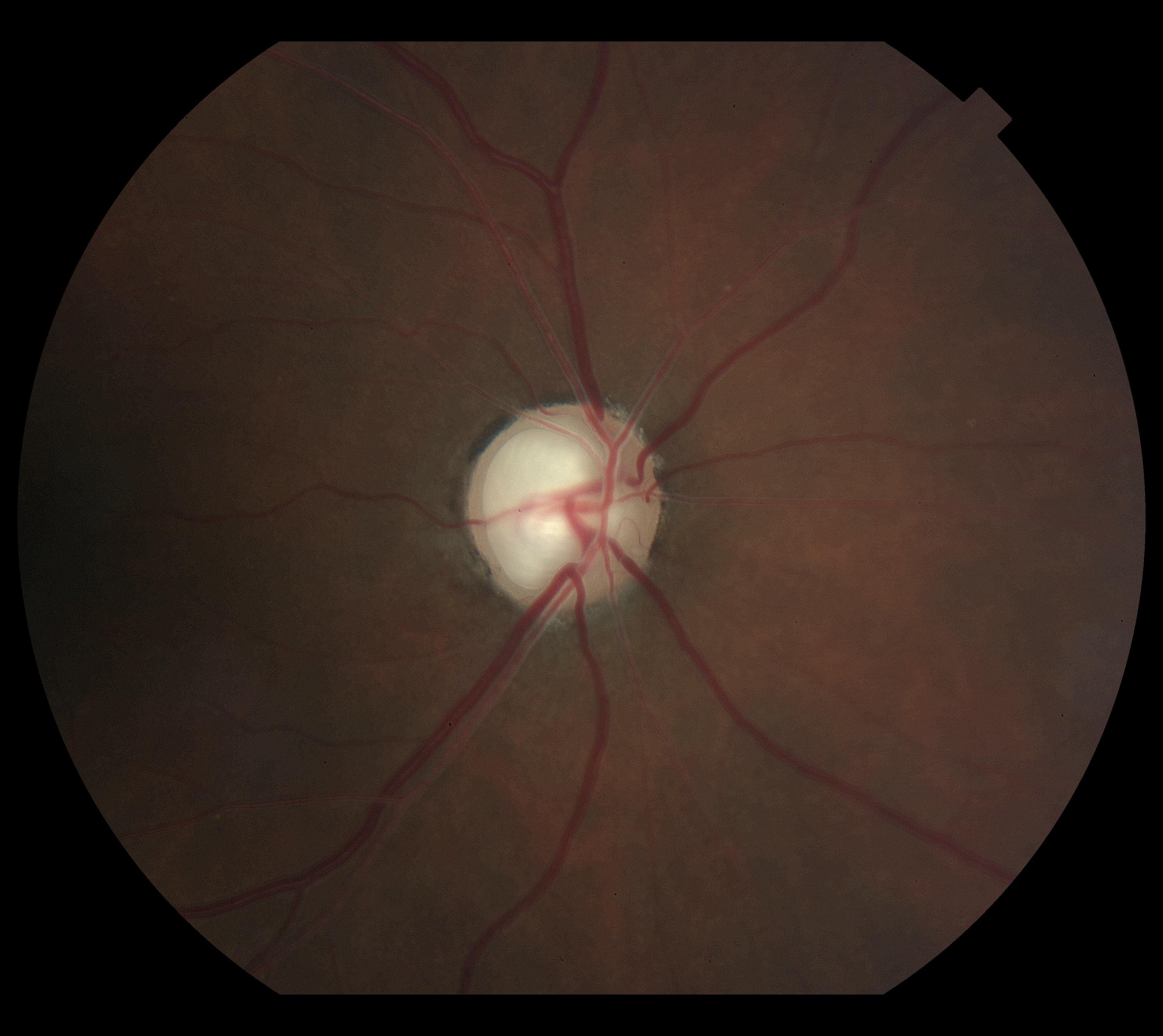
Glaucoma is a condition that damages the optic nerve, usually due to increased pressure inside the eye. The optic nerve carries visual information from your eye to your brain. Over time, this damage can reduce your side (peripheral) vision. It often develops slowly and without pain. Early detection is very important to protect your sight.
Q
How did I get glaucoma?
Glaucoma can develop for several reasons, most commonly from raised eye pressure. Age, family history, certain medical conditions, and sometimes long-term steroid use can increase the risk. In many people, there is no single clear cause. It is not something you caused by doing anything wrong.
Q
Can I go blind from glaucoma?
Most people with glaucoma do not go blind, especially if it is found early and treated properly. However, untreated glaucoma can lead to significant vision loss. The damage that has already occurred cannot be reversed, but treatment can help prevent further loss.
Q
What symptoms should I watch for?
Most types of glaucoma have no early symptoms. Vision loss usually starts in the side vision and happens gradually, so it may go unnoticed. Sudden severe eye pain, blurred vision, headache, or halos around lights can occur in rare acute cases and need urgent attention. Regular eye exams are the best way to detect changes early.
Q
How is glaucoma diagnosed?
Glaucoma is diagnosed through a comprehensive eye exam. Your doctor will measure your eye pressure, examine your optic nerve, and check your visual field (side vision). Special scans may also be done to assess nerve health. These painless tests help detect early damage. Monitoring over time is important.
Q
What tests will I need?
You may need eye pressure measurements, optic nerve scans (OCT), visual field testing, and corneal thickness measurements. These tests are quick and painless. They help your doctor track any changes over time. Regular testing allows early detection of progression. This helps guide your treatment plan.
Q
What do my eye pressure numbers mean?
Eye pressure is measured in millimeters of mercury (mmHg). Higher pressure can increase the risk of optic nerve damage, but some people develop glaucoma even with normal pressure. This is unrelated to you blood pressure. Your doctor sets a “target pressure” that is safe for your eyes. The goal of treatment is to keep pressure at or below that level. It’s one part of the overall picture.
Q
Can glaucoma be cured?
Glaucoma cannot be cured, and any vision already lost cannot be restored. However, it can usually be controlled with proper treatment. The aim is to prevent further damage. With regular follow-up and consistent treatment, many people maintain useful vision for life. Early diagnosis makes a big difference.
Q
How is glaucoma treated?
Glaucoma is treated by lowering the pressure inside the eye to protect the optic nerve. For many suitable patients, Selective Laser Trabeculoplasty (SLT) can be used as a first-line treatment because clinical research has shown it to be safe and effective and, in many cases, allows people to control their glaucoma without needing daily eye drops. One of the most important studies supporting this approach is the LiGHT Trial (published in Ophthalmology in 2023) showing that SLT as initial therapy provided sustained pressure control and good outcomes. If SLT does not lower the pressure enough, or if its effect decreases over time, prescription eye drops are usually started next.
If you concurrently have a cataract, a trabecular bypass stent can be placed while you are having your cataract surgery to reduce your intraocular pressure, possibly removing or reducing the need for further eye drops depending on how you respond to the treatment.
In some cases, surgery may be recommended if both laser and drops are not sufficient to control the glaucoma.
Q
What are the benefits of using Selective Laser Trabeculoplasty (SLT) laser over drops as a first line
therapy?
Using SLT as a first-line treatment for glaucoma has several advantages over starting with daily eye drops. SLT can lower eye pressure effectively without the need to remember drops every day, which improves convenience and treatment adherence. It avoids common drop-related side effects such as redness, irritation, dry eyes, and possible systemic effects. SLT is also preservative-free, so it reduces long-term surface damage to the eye that can occur with chronic drop use. Studies such as the LiGHT Trial have shown that many patients treated with SLT first can remain drop-free for several years while maintaining good pressure control. Additionally, SLT can be repeated if needed and does not “burn bridges” for future treatments.
Q
How does a trabecular bypass stent work?
A trabecular bypass stent is a tiny medical device placed inside the eye to help lower eye pressure in people with open-angle glaucoma. Normally, fluid inside the eye drains through a natural filter called the trabecular meshwork. In glaucoma, this drain doesn’t work well, causing pressure to build up. The stent creates a small new pathway through this blocked area, allowing fluid to flow out more easily and reducing pressure. It is usually inserted during cataract surgery through a very small incision and is designed to work with the eye’s natural drainage system.
Q
Will I need to use eye drops for life?
In many cases, glaucoma treatment is long-term and may require lifelong use of eye drops. These drops help control eye pressure and protect your vision. It’s important to use them exactly as prescribed. Stopping drops without advice can cause pressure to rise and worsen your glaucoma.
Q
What are the side effects of glaucoma medications?
Some eye drops may cause redness, stinging, dry eyes, or mild irritation. Certain types can affect breathing or heart rate in some patients. Most side effects are manageable. Always tell your doctor about any symptoms you notice. Your medication can often be adjusted if needed.
Q
How often do I need check-ups?
Follow-up visits depend on how stable your glaucoma is. Most stable patients are reviewed every 6-12 months, while others may be seen less often. Regular monitoring is essential to detect any changes early. Skipping appointments can risk unnoticed progression. Ongoing care protects your sight.
Q
Can I still drive with glaucoma?
Many people with glaucoma can continue driving, especially if it is detected early and well controlled. However, advanced glaucoma may affect side vision, which is important for safe driving. You must meet legal vision standards to drive. Your doctor can advise you if your vision meets these requirements.
Q
Is glaucoma hereditary? Should my family be tested?
Yes, glaucoma can run in families. If you have glaucoma, close relatives such as siblings and children have a higher risk. It’s recommended they have regular comprehensive eye exams. Early detection greatly reduces the risk of vision loss. Family awareness is very important.
Q
Can lifestyle changes help slow it down?
While lifestyle changes cannot cure glaucoma, maintaining overall good health can help. Regular exercise, a healthy diet, and avoiding smoking support eye health. It’s also important to take medications consistently. Protecting your eyes and attending follow-ups are key. Always discuss supplements or changes with your doctor.
Q
What happens if I forget to take my drops?
If you occasionally forget to take your glaucoma drops, use them as soon as you remember—unless it’s almost time for your next dose. Do not double up unless your doctor advises you to. Missing drops repeatedly can allow your eye pressure to rise, which may cause further optic nerve damage without you noticing. Consistency is very important to protect your vision. At our practice, we often use SLT laser treatment to improve compliance and reduce dependence on daily drops where suitable. We also aim to simplify treatment regimens by prescribing combination drops when possible, making it easier for patients to stay on track with their therapy.