Eyelid Malposition Repair (Ectropion & Entropion) Q&A
Clear, practical answers to common ectropion and entropion (eyelid malposition) questions.
Jump to a question
Tap a question to jump straight to the answer.
- What is an Ectropion/ Entropion repair?
- Why surgery may be done?
- What causes eyelid malposition?
- Possible risks associated with Eyelid Malposition surgery?
- How long prior to my surgery should I stop using blood thinning medications?
- How is an Ectropion/ Entropion surgery performed?
- Will I need someone to drive me to and from hospital on the day of my surgery?
- What is the post operative care following Ectropion/ Entropion surgery?
Q
What is an Ectropion/ Entropion repair?
It is an operation used to treat your eyelid, which is either turning inwards or outwards, returning the eyelid to its appropriate position.
Q
Why surgery may be done?
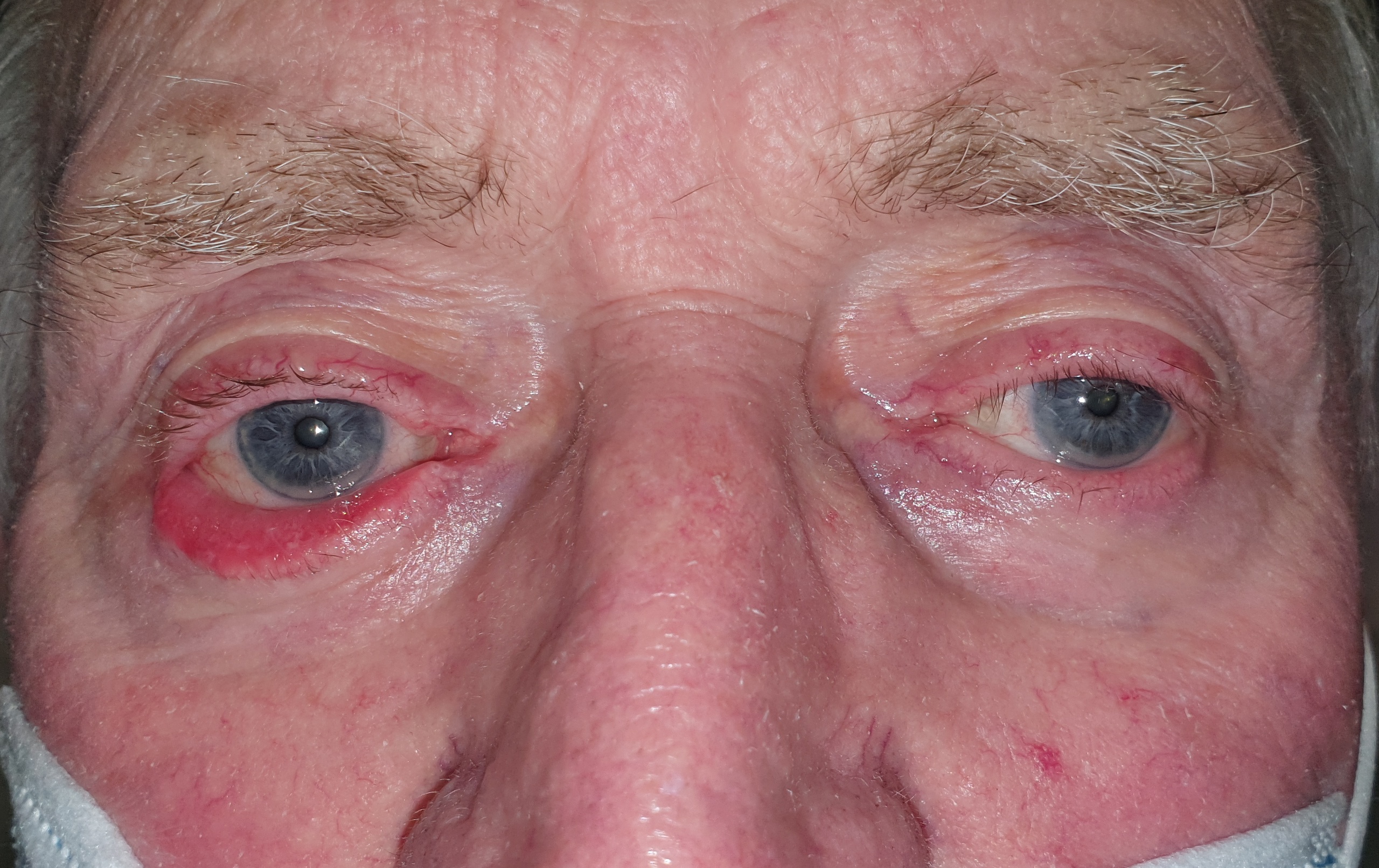
You have a condition where your eyelid turns inwards (entropion) or outwards (ectropion). It can affect both your upper and lower eyelids but it is more common in your lower eyelids. If it is not treated, particularly entropion, it can cause watery eyes and the eyelashes to turn inwards and scratch your eyes causing severe discomfort and in severe cases, irreversible corneal scarring.
Q
What causes eyelid malposition?
- The commonest cause is age. As you get older, your eyelid becomes less well attached to your eye socket & slowly droops under the force of gravity. This can make your eyelid turn in/outwards.
- A lump or excess skin may make your eyelid too heavy and weigh it down.
- You may have facial nerve weakness that affects the muscle that closes your eyelids.
- You may have scarring from previous surgery on nearby skin or from sun damage.
- You may have had surgery such as cataract surgery which involves stretching your eyelids using a speculum.
Q
Possible risks associated with Eyelid Malposition surgery?
Eyelid malposition surgery is generally a safe and commonly performed procedure, but like any surgery, it carries some risks. These may include infection, swelling, and bleeding, as well as under-correction or over-correction of the eyelid position. Some patients may notice scarring, granuloma (small lump) formation, asymmetry, dry eye symptoms, or a corneal abrasion. There is also a small risk of recurrence, wound dehiscence (where the stitches come apart and need repair), or the need for further surgery. It’s important to talk with your doctor about how these risks apply to you personally. Understanding the benefits and potential risks can help you decide whether this procedure is right for you.
Q
How long prior to my surgery should I stop using blood thinning medications?
The timing for stopping blood thinning medications before skin cancer surgery varies depending on the specific medication and your medical history. Generally blood thinners should be stopped 3-4 days prior to your surgery. Do not stop any blood thinning medication without first speaking to your surgeon and the doctor who prescribed it. They will give you clear, personalised instructions to balance the risk of bleeding with your overall health and safety.
Q
How is an Ectropion/ Entropion surgery performed?
Ectropion and entropion surgery is usually performed as a day procedure under local anaesthetic, sometimes with light sedation. The goal is to reposition the eyelid so it sits correctly against the eye. During both surgeries, the doctor will usually tighten the eyelid through a series of incisions and excisions, there maybe some additional steps depending on the severity/ type of ectropion/ entropion. Small stitches are used, and all patients go home the same day.
Q
Will I need someone to drive me to and from hospital on the day of my surgery?
Yes, you will need someone to drive you to and from the hospital on the day of your surgery. For safety reasons, you will not be able to drive yourself home. It’s important to arrange for a family member or friend to accompany you and help you get home comfortably.
Q
What is the post operative care following Ectropion/ Entropion surgery?
After Ectropion/ Entropion surgery, you can expect some swelling, bruising, and mild discomfort around the eye, which usually gets worse over 3-4 days before improving over the next 1–2 weeks. You will be asked to apply prescribed ointment to the area for about 1-2 weeks. Keeping the wound clean and dry is important, and you should avoid heavy lifting, bending, or strenuous activity for a short period to reduce swelling and bleeding risk. Cold compresses can help with bruising in the first 48 hours.