Age-Related Macular Degeneration (AMD) Q&A
Clear, practical answers to common AMD questions.
Jump to a question
Tap a question to jump straight to the answer.
- What is Age-Related Macular Degeneration (AMD)?
- How did I develop AMD?
- What is the difference between dry and wet AMD?
- Will I go blind from AMD?
- What symptoms should I watch for?
- How do I use an Amsler grid?
- What is Geographic atrophy (GA)? Is GA a type of dry or wet AMD and is there any treatment for it?
- How is AMD diagnosed?
- Can AMD be cured?
- How is dry AMD treated?
- How is wet AMD treated?
- Will I need eye injections? How often?
- Will I just need one treatment of injection for wet AMD?
- How frequently will i need my eye injections?
- Will I ever be able to stop my injections for wet AMD?
- Are the injections painful or risky?
- What are the risks of an eye injection?
- What should I do after my injection?
- Can this happen in my other eye?
- Can vitamins or supplements help?
- What lifestyle changes can slow AMD?
- Can I still drive or read?
- Is AMD hereditary? Should my family be checked?
- How often do I need follow-up appointments?
- What should I do if my vision suddenly changes?
Q
What is Age-Related Macular Degeneration (AMD)?
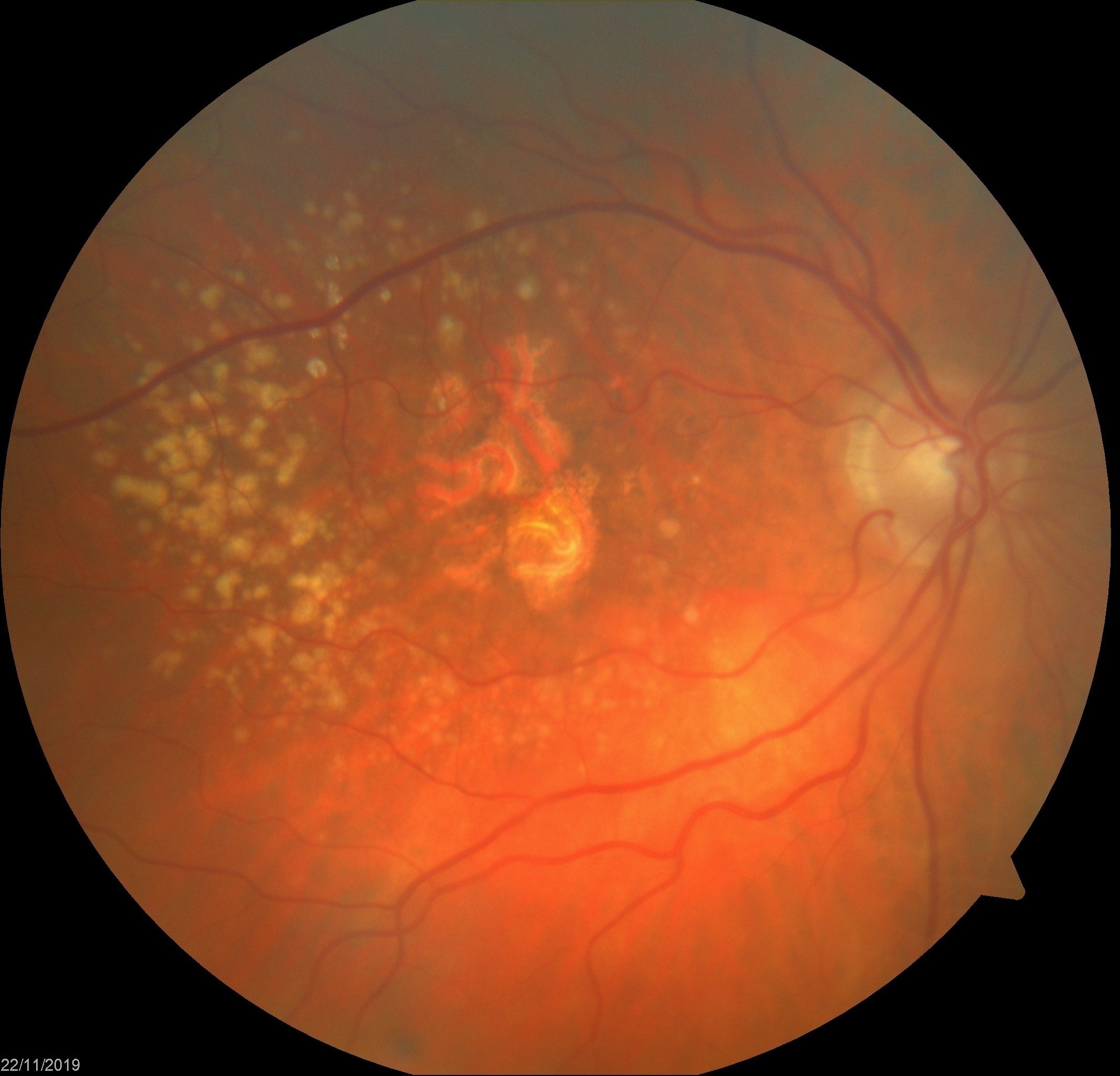
AMD is a condition that affects the macula, the central part of the retina responsible for sharp, detailed vision. It mainly affects people over 50. AMD can make it harder to read, recognise faces, or see fine details. It does not usually affect side (peripheral) vision. Early detection is important.
Q
How did I develop AMD?
AMD is related to ageing and changes in the retina over time. Risk factors include smoking, family history, high blood pressure, and excessive sun exposure. Diet and general health may also play a role. It is not caused by eye strain or using your eyes too much.
Q
What is the difference between dry and wet AMD?
Dry AMD is the more common type and progresses slowly over time. Wet AMD is less common but more serious and can cause rapid vision loss due to abnormal blood vessels growing under the retina. Wet AMD requires urgent treatment. Your doctor will determine which type you have.
Q
Will I go blind from AMD?
Most people with AMD do not go completely blind. AMD affects central vision but usually leaves peripheral vision intact. However, it can significantly impact reading and detailed tasks. Early treatment, especially for wet AMD, greatly improves outcomes.
Q
What symptoms should I watch for?
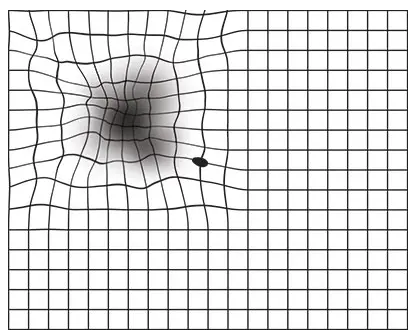
Common symptoms of AMD include blurred or distorted central vision, difficulty reading, trouble recognising faces, or a dark or empty patch in the centre of your sight. Straight lines may appear wavy or bent. Sudden changes—such as rapid blurring or new distortion—can be a sign of wet AMD and require urgent attention. An Amsler grid is a simple tool you can use at home to help monitor your central vision and detect early changes that may suggest wet AMD. If you notice any new distortion or missing areas on the grid, contact your eye doctor promptly.

Q
How do I use an Amsler grid?
To use an Amsler grid, wear your reading glasses (if you use them) and hold the grid at your normal reading distance in good light. Cover one eye and focus on the central dot with the uncovered eye. While staring at the dot, notice whether any of the surrounding lines look wavy, blurred, distorted, or missing. Repeat the test with the other eye. If you see new distortion, dark patches, or missing areas, contact your eye doctor promptly, as this could be an early sign of wet AMD. Try to check your vision with the grid regularly, such as once a week, especially if you have been diagnosed with AMD.
Q
What is Geographic atrophy (GA)? Is GA a type of dry or wet AMD and is there any treatment for it?
GA is an advanced form of dry AMD. It occurs when cells in the macula gradually waste away, causing permanent patches of central vision loss. Unlike wet AMD, GA does not involve bleeding or abnormal blood vessel growth, and it usually progresses slowly over time. Until recently, there was no specific treatment available. However, newer medications such as pegcetacoplan (SYFOVRE) and avacincaptad pegol (IZERVAY) have been developed to help slow the progression of geographic atrophy. These treatments do not restore lost vision but may help preserve remaining sight for longer. In Australia, they are not yet PBS approved, but this is expected in the future—so watch this space!
Q
How is AMD diagnosed?
AMD is diagnosed during a comprehensive eye exam. Your doctor will examine the retina and may use special scans which are painless and help assess the health of the macula. Early changes can often be detected before major vision loss occurs.
Q
Can AMD be cured?
Currently, there is no cure for AMD. However, treatments can slow progression, especially for wet AMD. Early detection and proper management help protect vision. Research is ongoing.
Q
How is dry AMD treated?
There is no direct treatment to reverse dry AMD. In certain stages, specific vitamin supplements (AREDS2 formula) can help slow progression. Healthy lifestyle choices are also important.
Q
How is wet AMD treated?
Wet AMD is treated with anti-VEGF injections into the eye. These medications help stop abnormal blood vessel growth and leakage. Treatment is usually ongoing. Early treatment gives the best results.
Q
Will I need eye injections? How often?
If you have wet AMD, you may need regular injections, often starting monthly and then spacing out depending on response. The frequency varies between patients. Your doctor will tailor the schedule to your needs.
Q
Will I just need one treatment of injection for wet AMD?
No, treatment for wet AMD is not a once-off injection. With current medications, most patients require ongoing, long-term—often lifelong—treatment to keep the condition under control. The injections help suppress the abnormal blood vessels, but they do not cure the disease. If treatment is stopped, there is a high risk that the fluid and bleeding can return, which may cause further vision loss. Your doctor will tailor the injection schedule to your response, but regular monitoring and continued treatment are usually necessary.
Q
How frequently will i need my eye injections?
The frequency of your eye injections depends on how your macula responds to treatment. Most patients begin with 4-weekly injections until the fluid in the macula has settled and the condition is stable. Once the macula swelling improves, we gradually extend the interval in 2-week steps—for example, from 4-weekly to 6-weekly, then 8-weekly—provided there is no sign of recurrence. Every patient is given a careful trial of extension, but not everyone can tolerate longer gaps between injections. The longest interval we usually extend to is 16 weeks, as long as the eye remains dry and stable. Regular monitoring is essential to keep your vision protected.
Q
Will I ever be able to stop my injections for wet AMD?
In most cases, injections for wet AMD are long-term and often lifelong. The medication controls the abnormal blood vessels and fluid, but it does not cure the underlying condition. If injections are stopped completely, there is a high risk that the fluid can return, which may lead to further vision loss. Some patients can extend their treatment intervals significantly, and a small number may achieve long periods without activity, but careful monitoring is always required. The goal is to use the least frequent injections needed to keep your macula dry and your vision stable.
Q
Are the injections painful or risky?
The eye is numbed before injections, so discomfort is usually minimal. Most people tolerate them very well. Serious complications are rare, but your doctor will explain the risks. Prompt treatment is very important.
Q
What are the risks of an eye injection?
Eye injections (such as anti-VEGF injections) are commonly performed and generally very safe, but like any procedure, they carry some risks. The most serious, though rare, risk is infection inside the eye (endophthalmitis), which can threaten vision and requires urgent treatment. Other uncommon risks include bleeding, retinal detachment, inflammation, increased eye pressure, or cataract formation. More common and mild side effects include temporary redness, irritation, watery eyes, or the feeling of something in the eye for a day or two. Your doctor takes careful precautions to minimise these risks, and serious complications are uncommon.
Q
What should I do after my injection?
After your injection, your eye may feel slightly irritated or watery for a day or two. It is very important not to rub your eye, as this can increase the risk of infection. You should also avoid swimming, hot tubs, or getting pool or ocean water in your eye for at least one week after the injection. Continue using any prescribed drops as directed, and monitor for symptoms such as increasing pain, worsening vision, or significant redness—if these occur, contact your doctor immediately.
Q
Can this happen in my other eye?
It is possible, especially if underlying risk factors are not controlled. Managing blood pressure, diabetes, cholesterol, and avoiding smoking reduces risk. Regular eye checks are important.
Q
Can vitamins or supplements help?
Certain supplements (AREDS2 formula) can reduce the risk of progression in moderate to advanced dry AMD. They do not cure AMD but may help slow worsening. Always discuss supplements with your doctor before starting them.
Q
What lifestyle changes can slow AMD?
Stopping smoking is one of the most important steps. Eating a healthy diet rich in leafy greens and fish, exercising regularly, controlling blood pressure, and wearing UV-protective sunglasses can all help support eye health.
Q
Can I still drive or read?
Many people with early AMD can continue driving and reading. As AMD progresses, you may need brighter lighting or magnifying aids. Legal vision standards must be met for driving. Low vision aids can be very helpful.
Q
Is AMD hereditary? Should my family be checked?
AMD can run in families. If you have AMD, close relatives may have a higher risk. Regular eye exams are recommended for family members, especially after age 50. Early detection makes a difference.
Q
How often do I need follow-up appointments?
Follow-up depends on the type and severity of AMD. Wet AMD requires more frequent visits, especially during treatment. Dry AMD is usually monitored periodically. Your doctor will advise a suitable schedule.
Q
What should I do if my vision suddenly changes?
If you notice sudden distortion, blurred vision, or a new dark spot in your central vision, contact your eye doctor immediately. Sudden changes may indicate wet AMD. Early treatment can help protect your vision.