Facial Spasms (Hemifacial Spasm, Blepharospasm & Myokymia) Q&A
Clear, practical answers to common facial spasm questions.
Jump to a question
Tap a question to jump straight to the answer.
- What are facial spasms?
- What is hemifacial spasm?
- What is blepharospasm?
- What is myokymia?
- What causes these conditions?
- Are these conditions dangerous?
- Will it get worse over time?
- How are they diagnosed?
- How is essential blepharospasm treated?
- How is hemifacial spasm treated?
- How is periorbital myokymia treated?
- What is botulinum toxin and how does it work? How long does it last?
- What are the different types of botulinum toxins?
- Are Botox injections painful or risky?
- Will I need treatment forever?
- Can stress or lifestyle affect it?
- Can I still drive?
Q
What are facial spasms?
Facial spasms are involuntary muscle movements or twitching of the face. They can range from mild twitching to stronger, repeated contractions. Hemifacial spasm affects one side of the face and may involve the eye and mouth. Blepharospasm causes uncontrolled blinking or squeezing of both eyelids. Myokymia is a common, harmless eyelid twitch often related to stress or fatigue and usually settles on its own. If spasms are persistent or worsening, it’s important to see your doctor for assessment.
Q
What is hemifacial spasm?
Hemifacial spasm is a condition where muscles on one side of the face twitch or contract involuntarily. It often starts around the eye and may spread to the cheek or mouth. The spasms can be mild at first but may become more noticeable over time. It usually affects only one side of the face.
Q
What is blepharospasm?
Blepharospasm or essential blepharospasm is a condition that causes uncontrollable blinking or squeezing of both eyelids. It can make it difficult to keep your eyes open. In more severe cases, it can interfere with reading, driving, or daily activities. It is not usually painful but can be very frustrating.
Q
What is myokymia?
Periorbital myokymia is a common, harmless twitching of the muscles around the eye, usually affecting the lower eyelid. It often feels like a gentle flutter or vibration and typically comes and goes. It is commonly triggered by stress, fatigue, caffeine, or lack of sleep. The twitching does not affect vision and usually settles on its own without treatment. If it becomes persistent, spreads to other parts of the face, or lasts for several weeks, you should see your doctor for assessment.
Q
What causes these conditions?
Hemifacial spasm is often caused by a small blood vessel pressing on the facial nerve or following a Bell’s palsy. Blepharospasm is thought to be related to abnormal signals in the brain affecting eyelid muscles. Stress, fatigue, and bright light can make symptoms worse. Sometimes the exact cause is not clear. Periorbital myokymia is usually caused by stress, fatigue, excess caffeine, or lack of sleep. It can also be triggered by eye strain or irritation and typically settles on its own.
Q
Are these conditions dangerous?
They are not life-threatening, but they can significantly affect quality of life. Vision itself is usually normal, but excessive blinking or eye closure can interfere with daily tasks and affect self esteem. It is important to have a proper diagnosis.
Q
Will it get worse over time?
Symptoms may gradually worsen if untreated. Some patients experience increasing frequency or strength of spasms. Treatment can help control symptoms effectively.
Q
How are they diagnosed?
Diagnosis is usually made based on your symptoms and a clinical examination. Essential blepharospasm and periorbital myokymia are clinical diagnoses and neuroimaging is often unnecessary. However, hemifacial spasm requires neuroimaging as this is most commonly caused by neurovascular compression. The tests are painless.
Q
How is essential blepharospasm treated?
Essential blepharospasm is most commonly treated with botulinum toxin (Botox) injections, which relax the overactive eyelid muscles and reduce uncontrolled blinking or squeezing. The treatment is performed in the clinic and typically lasts about 3–4 months, after which repeat injections are needed. In rare cases where injections are not effective, surgery may be considered.
Q
How is hemifacial spasm treated?
Hemifacial spasm is most commonly treated with botulinum toxin (Botox) injections, which relax the affected facial muscles and reduce the twitching. The injections are done in the clinic and usually last about 3–4 months, so repeat treatments are needed to maintain control. Botox treatment however, only treats symptoms rather than the underlying cause most of the time. If injections are not effective or suitable, surgery called microvascular decompression may be considered to relieve pressure on the facial nerve and treat the underlying cause of the disease. Your doctor will discuss the best option based on your symptoms and overall health.
Q
How is periorbital myokymia treated?
Periorbital myokymia usually does not require medical treatment, as it is harmless and often settles on its own. The best approach is to address common triggers by getting adequate sleep, reducing stress, cutting back on caffeine, and managing eye strain (such as taking breaks from screens). Using lubricating eye drops can also help if dryness is contributing. If the twitching persists for several weeks, worsens, or spreads to other parts of the face, you should see your doctor for further assessment.
Q
What is botulinum toxin and how does it work? How long does it last?
Botulinum toxin (commonly known as Botox) is a purified protein used in very small, controlled doses to relax overactive muscles. It works by blocking the nerve signals that tell muscles to contract. When injected into a specific muscle, it temporarily weakens or relaxes that muscle, reducing unwanted spasms, twitching, or excessive movement. The effects usually begin within a few days and last about 3–4 months, after which the treatment can be repeated if needed.
Q
What are the different types of botulinum toxins?
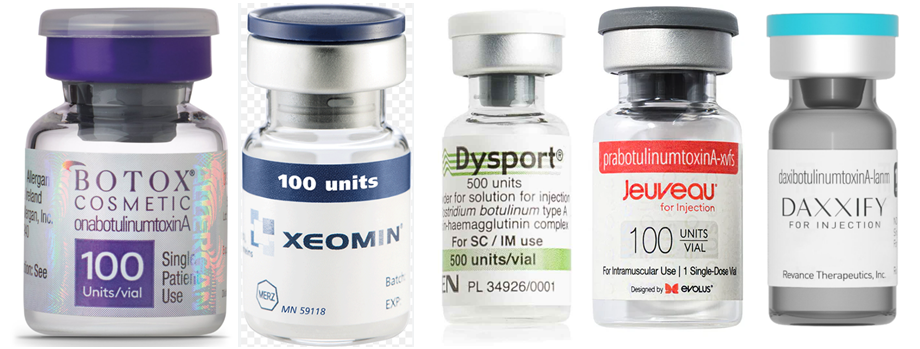
There are several types of botulinum toxin used in medical practice, all designed to relax muscles but made by different manufacturers. The most commonly used type is Botulinum toxin type A, which includes brand names such as Botox®, Dysport®, and Xeomin®. Another form is Botulinum toxin type B, known as Myobloc®. While they work in a similar way by blocking nerve signals to muscles, the dosing and formulation differ slightly between brands. Your doctor will choose the most appropriate type based on your condition and treatment needs.
Q
Are Botox injections painful or risky?
Discomfort is usually minimal. Side effects are generally mild and temporary, such as slight drooping of the eyelid or temporary weakness. Serious complications are rare.
Q
Will I need treatment forever?
Many patients continue with regular injections long term to control symptoms. The condition itself often does not completely disappear. Treatment keeps symptoms manageable.
Q
Can stress or lifestyle affect it?
Yes, stress, fatigue, caffeine, and bright light can worsen spasms. Managing stress and getting adequate rest may help reduce symptoms. Wearing sunglasses can also help if light sensitivity is a trigger.
Q
Can I still drive?
Most patients can drive if their symptoms are well controlled. However, if spasms interfere with keeping your eyes open safely, you should avoid driving until treated. Your doctor can advise you.